When a dental implant is worth considering
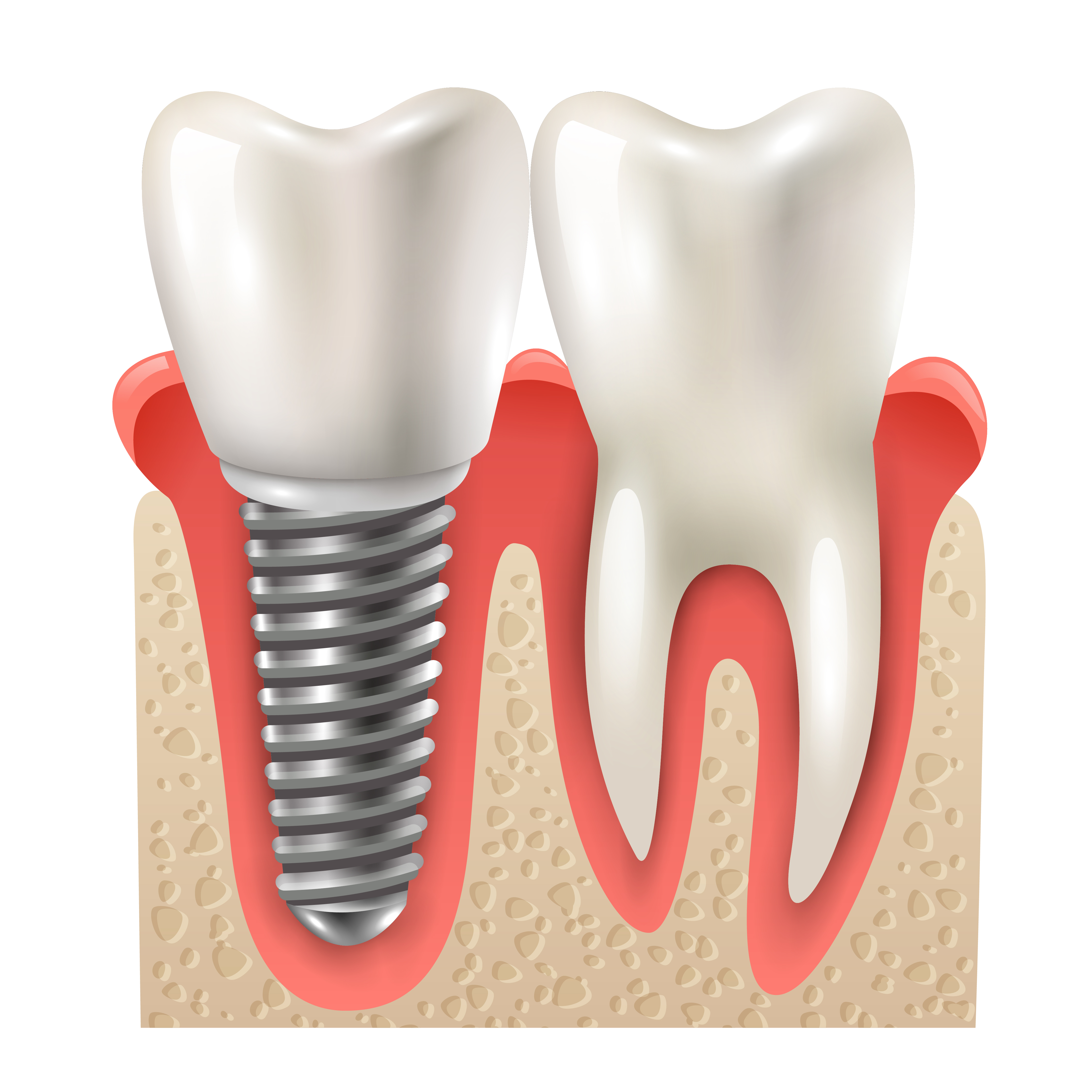
Losing a tooth is not only a cosmetic issue. The neighbouring teeth gradually drift into the gap, the opposing tooth over-erupts, chewing shifts to one side, and the jawbone in that area slowly loses volume because nothing is stimulating it any more. An implant is currently the only replacement that addresses the root as well as the visible crown, which is why it preserves bone in a way bridges and dentures do not.
That said, an implant is not automatically the right answer for everyone. It depends on how much healthy bone you have, the condition of your gums, whether you have uncontrolled diabetes, and whether you smoke. A bridge or a partial denture is sometimes the more sensible option, and we will say so rather than pushing the more expensive treatment.
What the process actually involves
The honest version: implant treatment is not a single appointment. It is spread over a few months, because the bone needs time to integrate with the implant. Most of that time you are simply going about your life.
- Examination and X-ray to assess bone height, width, and gum health
- A written treatment plan with stages, timeline, and cost
- Implant placement under local anaesthesia — usually 30 to 60 minutes
- A healing period, typically 3 to 6 months, while bone integrates
- Impression and fitting of the final crown
- Review appointments to check the bite and gum response
Managing discomfort
Placement itself is done under local anaesthesia, so you should not feel pain during the procedure. Afterwards, most patients describe mild soreness and some swelling for two to three days, manageable with the medication prescribed. It is generally reported as less uncomfortable than a difficult extraction.
You will be given clear aftercare instructions: what to eat, how to clean the area, and which symptoms mean you should call us rather than wait.
Looking after an implant long term
Implants do not decay, but the gum and bone around them can become inflamed if plaque builds up — a condition called peri-implantitis, and the main reason implants fail years later. Daily brushing, cleaning between the teeth, and a professional check every six months are what keep an implant healthy for decades.
Smoking meaningfully increases the risk of implant failure. If you smoke, we will discuss this openly with you before treatment rather than after.