Signs you may need a root canal
The pulp inside a tooth contains its nerve and blood supply. When decay, a crack, or repeated dental work lets bacteria reach it, the pulp becomes inflamed or infected. Once that happens it cannot heal on its own — the infection either gets treated or it spreads into the bone around the root.
- Lingering pain after something hot or cold, rather than a brief twinge
- Pain that wakes you at night or throbs when you lie down
- Tenderness when biting on one particular tooth
- Swelling of the gum, or a small pimple-like spot near the tooth
- A tooth that has darkened compared to its neighbours
Why saving the tooth is usually the better option
Extraction is faster and cheaper on the day. It is rarely cheaper overall. Once a tooth is gone, the gap has to be managed — an implant or a bridge costs considerably more than the root canal would have, and neither performs quite as well as your own tooth root.
There are situations where a tooth genuinely cannot be saved: a root fractured vertically, or a tooth with too little structure left to hold a crown. In those cases we will tell you straight rather than starting treatment that is unlikely to work.
What happens during the procedure
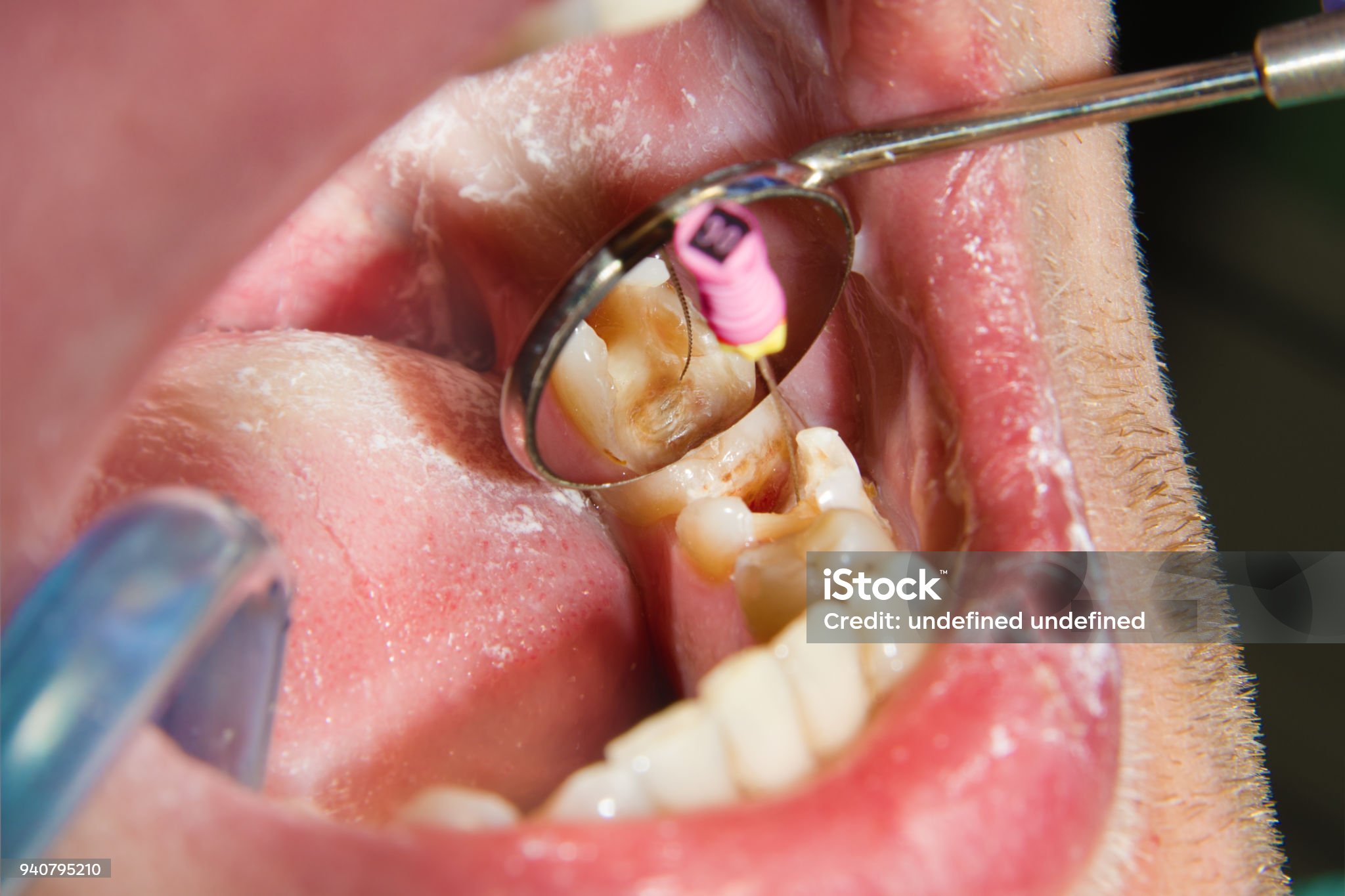
The tooth is numbed thoroughly and isolated. The infected pulp is removed, the canals inside the root are cleaned and shaped, and then sealed. Depending on which tooth it is and how infected it is, this takes one or two visits.
A back tooth that has had a root canal becomes more brittle, because a large amount of its internal structure has been removed. Fitting a crown afterwards is not an upsell — it is what stops the tooth fracturing under chewing forces a year or two later. We will explain where a crown is genuinely necessary and where it is not.
If you are in pain right now
Call us on +91 82751 72931 or message on WhatsApp. We are open every day from 10 AM to 9 PM, including weekends, and we keep room for patients in acute pain.
In the meantime: over-the-counter painkillers you normally tolerate, avoid very hot or very cold food on that side, and keep your head slightly raised when sleeping. Do not place aspirin directly against the gum — it burns the tissue.